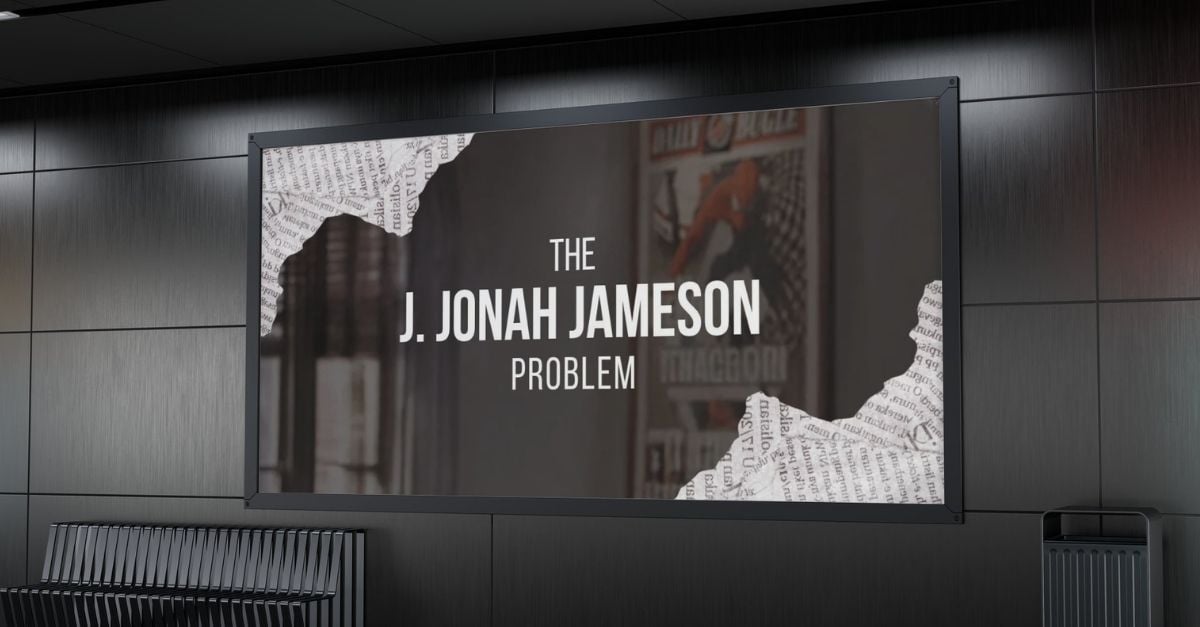
Not long ago, a leader in the lumber and building materials industry described a current COO’s management style with a comparison that landed instantly: he runs the place like J. Jonah Jameson, the cigar-chomping editor of the Daily Bugle in the Spider-Man stories. Anyone who has seen the films knows the scene. Peter Parker walks in with photos he risked his neck to get, and Jameson tears them apart before Peter can finish a sentence. Then, once Peter is gone, Jameson quietly runs them on the front page. The work was good. The boss just couldn’t let anyone else own it. That’s the real problem with the Jameson style. It isn’t the yelling. It’s that every decision belongs to one man.
One desk, one hundred locations
Picture a multi-billion-dollar company with roughly 100 locations spread across more than 30 states. Different markets, different builders, different labor pools, different weather, different codes. Now picture every meaningful decision routed to a single office. Hiring a forklift driver requires CFO approval. Not because the yard manager can’t judge a good operator, but because that’s the edict. Meetings with headquarters aren’t discussions; they’re for picking up marching orders. Questions are unwelcome. The playbook is one-size-fits-all, whether the branch serves production builders in Texas or custom remodelers in New England. This is institutionalized leadership. It feels like control from the top. From the field, it feels like being told your judgment doesn’t count.
Promoting the echo
Command-and-control cultures create a predictable promotion pattern. The people who rise are the ones who agree. Dutiful, agreeable, status-quo managers who never push back and never bring an inconvenient idea to the table. Over time, the leadership bench fills with people who have been rewarded for not thinking out loud. The leader ends up surrounded by a team that tells him what he wants to hear, which is the most dangerous position a COO can be in. The cost is invisible until it isn’t. When the market shifts, nobody in the room is willing to say the strategy is wrong. The sharp branch manager who saw it coming left two years ago, tired of waiting for permission to hire a driver.
The bigness myth
Many large building material companies believe their scale is the strategy. Buy better, leverage volume, squeeze vendors, and the rest takes care of itself. Purchasing power matters, no question. But every big competitor has purchasing power. It’s table stakes, not an edge. What actually separates winners is the ability to attract, develop, and keep the best people, and then trust them to serve customers. A contractor doesn’t care about your rebate structure. He cares whether the yard manager picks up the phone, solves his problem, and gets the right load on site at 6 a.m. That happens when local leaders are empowered to act, not when they’re waiting on a signature from headquarters.
Humility and will
Jim Collins’s research on great companies found that the most effective leaders combine two traits that seem like opposites: deep personal humility and fierce professional will. They are relentless about results, but they don’t make the company about themselves. They hire people smarter than they are, give them room, and credit the team when things go right. The Jameson model gets the will part. It misses the humility entirely. Humility in practice looks like asking a branch manager what they’d do before telling them. It looks like pushing hiring decisions down to the people who live with the outcome. It looks like promoting the manager who challenged you last quarter and turned out to be right. It looks like headquarters seeing itself as a support center for the field, not a command post.
Who takes share next
The next decade won’t be won by whoever is largest. It will be won by companies whose leaders remember that people want to be trusted, heard, and developed. Those companies will draw the best talent away from their bigger, slower rivals, and customers will follow the talent. Jameson ran a newspaper on fear and still needed Peter Parker’s photos to sell it. The lesson for every COO in this industry: your front page is only as good as the people you let take the pictures.
It’s about humility.
The leaders who win the next decade will pair fierce will with real humility. They’ll push decisions to the field and develop the people who push back. That’s the combination we look for in every COO, GM and regional leader we place. Preparing for the 2027 forecasts starts with evaluating the leadership. If you’re not sure the right person is in a leadership role, rest assured the people already know. We are experts handling confidential searches. We set the table for presidents and owners to make covert org chart moves.
Message Tony